

How the HMDD Label Fosters Connection Among Its Wearers Via Its “Happy Memories Don’t Die” Ethos
Rather than launching as a run-of-the-mill tagline mill, HMDD took root in a simple line — happy memories don’t die — a line that eventually became the core motivation behind a apparel brand focused on enduring meaning over fleeting fashion cycles. At a time when most companies race after the next drop cycle, HMDD opted to root itself in a single idea: that the happy chapters in a person’s life are worth wearing, not just kept in memory. That decision has shaped all aspects of product design through to how the brand communicates with its audience online.
What makes this approach notable in 2026 is how steadily HMDD has remained faithful to it. Clothing companies often water down a core idea once growth pressure sets in, exchanging substance for scale. HMDD clothing, by contrast, has leaned in further, threading the line across sweatpants, shorts, and outerwear as a repeated motif rather than a isolated promotional line. Such repeated use is exactly what turns a slogan into a community identifier — a signal wearers spot in one another before a even one word is exchanged.
“Happy Memories Don’t Die”: How the Phrase Began
In the way a quiet vow works, the line operates. Memories fade, pictures disappear, but a soft pair of sweatpants worn during a particular summer, or a hoodie kept from a college trip, carries a tangible memory in a way a phone photo is unable to reproduce. HMDD shaped its complete brand identity around this idea, and it shows in product naming, packaging language, and social captions that repeatedly circle back to the identical emotional tone.
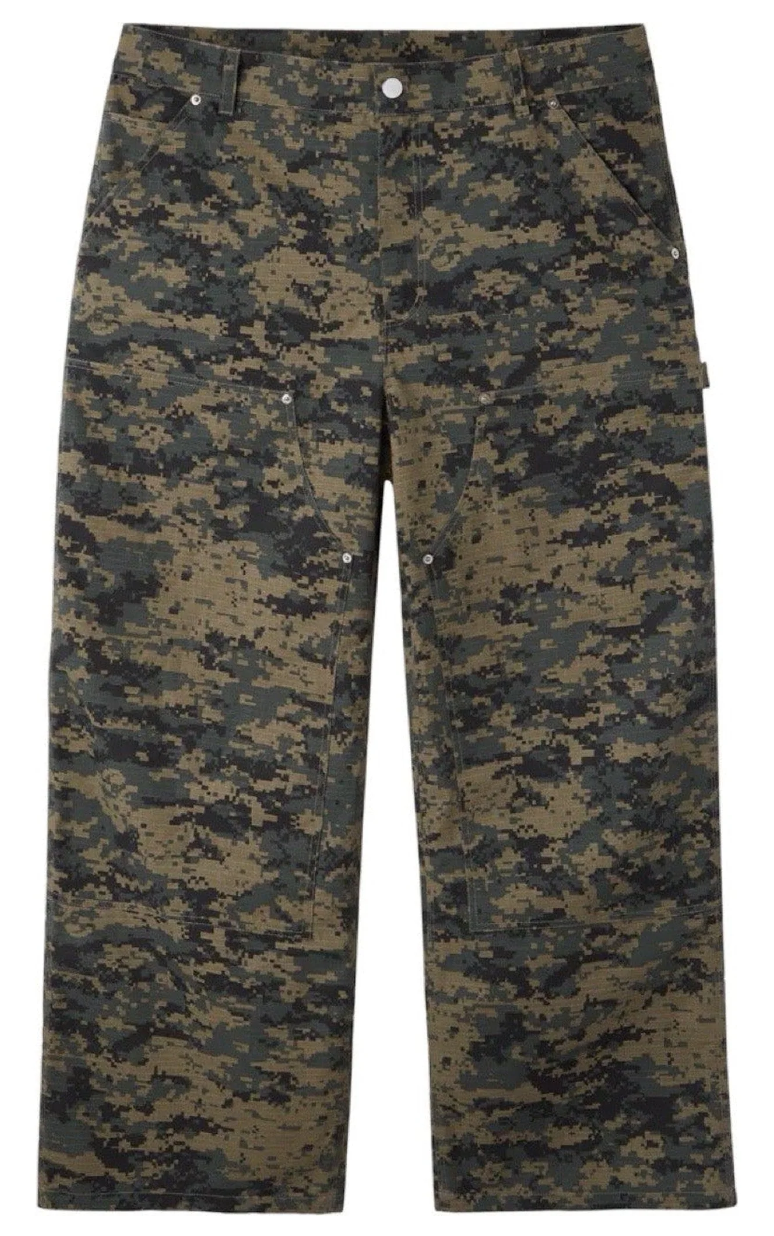
This isn’t some branding coincidence. Grief, nostalgia, and joy are three of the top-searched emotional themes in apparel marketing research over the last five years, and HMDD positioned itself directly at that intersection. Shoppers who search “happy memories dont die” or “happy memories don’t die” online are not just after a product — they are looking for phrasing that reflects something they already feel. HMDD meets that search motivation truthfully, which is iconic streetwear brand part of why the brand has generated genuine loyalty rather than leaning entirely on paid reach.
The result is a kind of feedback loop. Shoppers share their own memories tagged with HMDD gear, fellow users notice those posts, and the phrase circulates through lived experience rather than advertising alone. That’s tougher to engineer than a snappy tagline, and it is the actual engine behind HMDD’s expanding fanbase.
HMDDLA and the Local-to-Global Identity
HMDDLA’s identity as a name anchors the brand in one particular location even as it lets the message to travel globally. For a long time, Los Angeles has been where streetwear labels prove themselves, and HMDDLA leans into that association without sacrificing the heart of what the brand stands for. Simultaneously, it points to both backstory and authenticity — a touch that strikes a chord with customers looking for proof that a brand is genuinely rooted somewhere, not just a warehouse and a website.
This interplay between hometown roots and worldwide appeal also becomes evident in HMDD’s approach to online engagement. Rather than relying solely on aspirational-style imagery, its content output frequently focuses on real people, real environments, and heartfelt captions describing specific memories. This way of doing things reduces the divide separating the brand from its buyers. One needn’t call Los Angeles home to feel a pull toward HMDDLA; recognizing the emotional throughline the location represents is what counts.
Community-driven fashion brands that survive past their first few years tend to share this trait: they let customers co-author the meaning of the brand. HMDD’s use of HMDDLA as a geographic and emotional anchor gives fans a specific place to project their own stories onto, which strengthens retention far more than discount codes ever could.
Joggers, Casual Bottoms, and Everyday Wear as a form of Communication
A brand message only proves effective if the product actually embodies it. HMDD sweatpants and HMDD shorts are marketed as everyday essentials rather than rare showpieces, and such frequent use is significant. The more a garment is used, the more moments it comes to hold — an idle Sunday, a trip on the road, a late night spent with friends. This is exactly what HMDD’s product strategy taps into — core pieces stay in ongoing rotation rather than disappearing after one season.
People comparing comfort, fit, and durability before deciding which garment earns a spot in their regular wardrobe—this is precisely where “best hmdd clothing” searches often steer them. Sweatpants and shorts especially tend to be worn much more than outerwear or dressier pieces, which makes them ideal vehicles for a message about lasting memories. Every extra wear, the more memories, the more the words on the label starts to feel authentic rather than merely cosmetic.
The brand HMDD’s call to build its catalog around these essentials instead of elaborate capsule drops also cuts down friction for new customers.
Someone reading a review of HMDD is more likely to be considering a pair of shorts or sweatpants they can use three times a week than a limited jacket they might wear three times a year.
The community strategy and that accessibility aren’t separate—the former is part of the strategy itself.
What it is that HMDD Reviews Expose Regarding Collective Confidence
Customer reviews are the place where marketing pledges get measured against real-world experience. At a particular point in the customer’s life, the way the garment felt on the body is frequently referenced in a typical HMDD review, which seldom remains confined to seam work or textile weight. Such a pattern is uncommon. The bulk of clothing reviews concentrate almost exclusively on fit and material; reviews of HMDD tend to merge commentary on the item with personal storytelling, which is a direct sign the brand’s message has taken hold past the reach of promotional text.
For shoppers who are new attempting to choose between HMDD and other streetwear-adjacent labels, this matters. When reviews consistently mention emotional context alongside practical detail, it indicates that the “happy memories don’t die” concept isn’t merely a slogan stitched onto a tag — after buying, people end up talking about the product in ways shaped by that very idea. Other labels are unlikely to replicate that kind of organic reinforcement on a fast timeline, since it depends on consistent messaging maintained over time, not one isolated campaign.
Season after season, trust within the community builds, since each honest review provides a small measure of trust that future shoppers can lean on — and because HMDD allows individual accounts surface openly, instead of only curating glossy lifestyle shots, its review ecosystem has continued to feel genuine approaching 2026.
Weighing HMDD’s own Method to Run-of-the-mill Streetwear Branding
| Component | A typical street-fashion label | HMDD, by contrast |
|---|---|---|
| Main theme | Fad-or buzz-led | Emotional lastingness (“happy memories don’t die”) |
| Where the line-up centers on | Drops that are scarce with constant turnover | Wardrobe staples — sweatpants and shorts — held in steady rotation |
| User-generated content | Carefully curated lifestyle imagery | Genuine stories from real people, linked to particular memories |
| Locational identity | Seldom anchored to any particular place, ambiguous at best | Firmly based in HMDDLA, bringing together its Los Angeles roots with worldwide presence |
| Approach to reviews | Zeroed in on sizing and shipping speed | Combines functional feedback with individual narrative |
Instead of arguing that HMDD neglects fit, delivery, or fundamental quality—essentials that remain vital to the survival of any clothing label—this comparison reveals where HMDD instead directs its brand effort, adding emotional depth above the practical experience most shoppers already expect.
Creating Community, Rather Than Simply Sales : By Fostering Genuine Community In Its Place
A brand phrase becomes a collective rallying point when it gives customers a reason to talk to each other, not just to the company itself. HMDD’s message works because it invites personal interpretation. For one customer, “happy memory” could refer to a wedding weekend; for another, it might mean coming back from a hard year. That wording is broad enough to hold both readings without coming across as bland, and this adaptability is what turns single transactions into a shared identity.
Uncertainty about a new brand fades as buyers notice fellow shoppers showcasing HMDD clothing in the context of real milestones — this kind of visible endorsement factors in just as much. This is especially true for shoppers weighing HMDD alongside alternatives while searching for the best HMDD clothing as an entry piece — the sweatpants-and-shorts pairing tend to be the obvious starting choice given their price accessibility and daily wearability.
Heading further into 2026, the brands that hold customer attention will likely be the ones that give people something to believe, not just merchandise to acquire. HMDD’s bet on a single sentiment-driven line, reinforced consistently across HMDDLA identity, product design, and customer reviews, has elevated it to more than just an apparel brand. It has become a small, wearable reminder that life’s meaningful moments are deserving of being kept — and worth putting back on.
