

Tory Burch on Resale: Which Styles Keep Value
The familiar resale discussion around tory burch proceeds from the wrong premise, that a bag might be an investment. A bag is not an investment, and nothing set out here is investment advice. The material below covers observed secondary-market behaviour in September 2026: asking prices, listing volume, and the pace at which styles clear. The underlying samples are small and uneven, which makes every number here directional only. Because prices for this label wander with condition and with platform, a number that is accurate one week may be wrong the next. For an accessible-luxury brand the useful measure is liquidity, not appreciation, meaning how quickly a piece sells and how far the seller must discount. It is not the framework that collectors bring to European leather-goods houses.
How an Accessible-Luxury Brand Departs
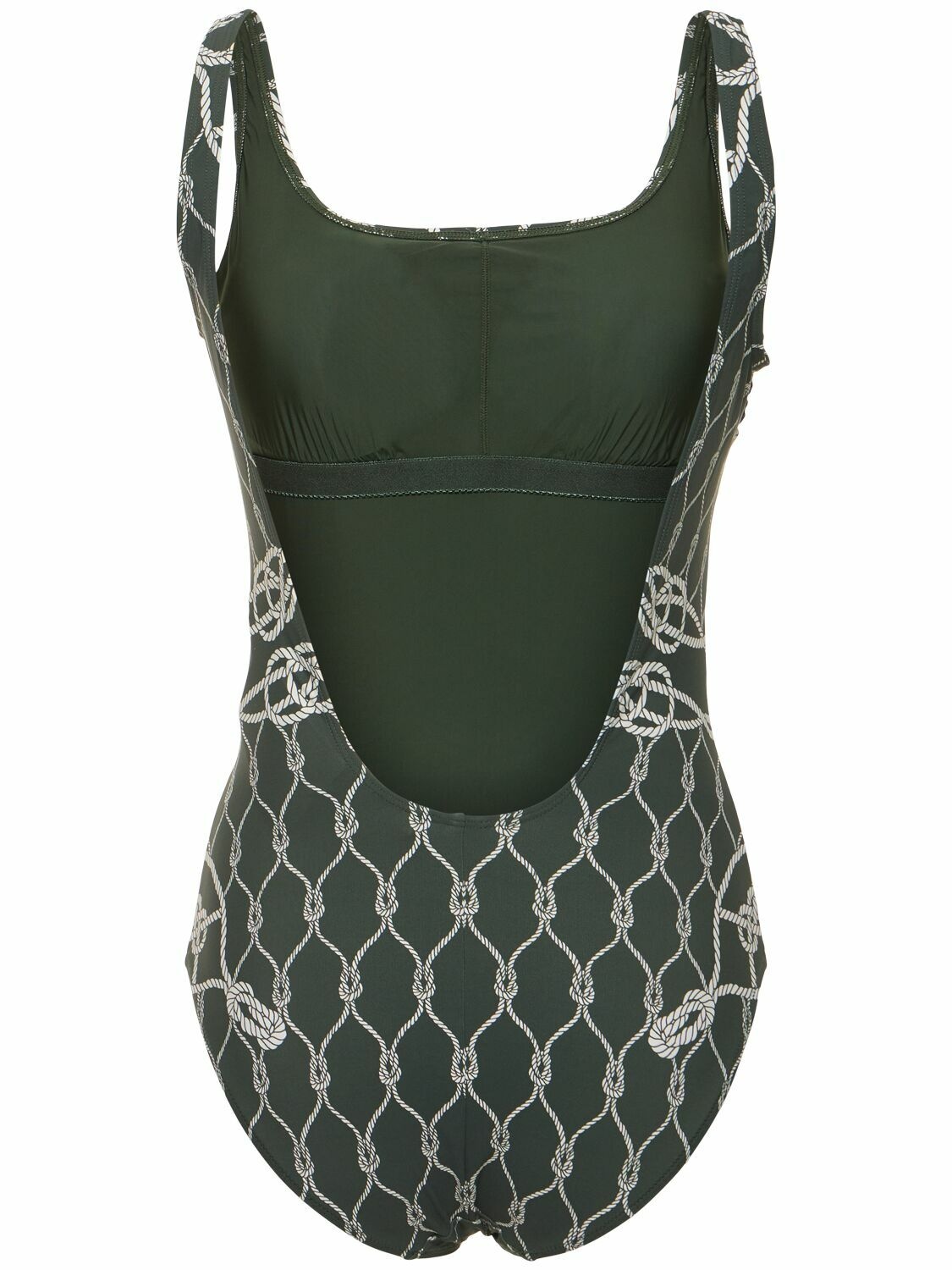
Start with where the brand sits. It is an American, New York-based, independently held accessible-luxury company, never owned by a European luxury group. Observed retail on the brand’s own site in September 2026 splits into three bands: roughly $95 to $200 for card cases, cosmetic cases, jelly sandals and the Miller sandal; about $250 to $600 taking in most sandals, sneakers, loafers, ankle boots and leather bags; and about $695 to $995 reaching tall boots, Lee Radziwill bags and tailored outerwear. Read those as observed market prices, not as an official price list, since the company releases no fixed one. With no five-figure tier there is no scarcity premium of the kind that drives appreciation elsewhere. Sell-through is what deserves measuring, because the resale ceiling here is compressed. Here, a piece moving in a week at well under its original ticket is normal behaviour.
The Bags That Sell Quickest
Fleming, Kira and the smaller structured styles appear most often and disappear fastest. Fleming is the diamond-quilted leather line with the Double T at the centre of the flap, the closest thing here to a resale staple. Kira is the chevron-quilted family of shoulder bags and crossbodies, chasing the same buyer. Robinson is the structured saffiano and spazzolato line named for the founder’s tory birch parents, Buddy and Reva Robinson, and it has not been discontinued however often listings claim otherwise. Lee Radziwill, the double bag carrying the socialite’s name, sits near the top of observed retail at around $595 petite and $795 small, and it is slow secondhand simply because fewer were sold. Introduction years for Kira, Fleming, Robinson, Ines and Romy cannot be traced anywhere, so any listing that puts an exact date on a bag is guessing. Kira, Eleanor, Romy and Pierced are shoe names too, and Miller marks a bag line as well as a sandal.
Shoes: The Miller and the Reva
Nothing the brand makes is more well known than the Miller thong sandal, introduced in 2008, and nothing is listed more often in the secondary market for tory burch shoes. Observed retail in September 2026 is $200 in leather, patent and suede, the bottom of the leather-shoe ladder, which explains the volume. Condition drives nearly all the variance in used pairs, because the footbed and toe post wear before anything else. A more interesting case is the Reva ballet flat. It was paused in 2017 and relaunched in 2025 as a redesign, with a wider rounder toe, an enlarged logo plate, a narrower opening colour range and a mule option, at a reported $330 to $350 against the original $195. That relaunch and the wider ballet-flat cycle pulled attention back to pre-2017 pairs, which now carry collector interest out of proportion to their original cost. The old and the new Revas are different shoes, and listings run them together all the time.
Small Leather Goods and Clothing
Wallets and card cases are the quiet workhorses of this market. Cheap on impulse, cheap to ship and durable enough for several owners, they keep circulating. Observed retail on current equivalents spans from about $95 for a flat card case to about $260 for a quilted continental wallet, and secondhand prices sit far below that. Sizing risk, seasonality and fabric wear all work against a remote buyer, which makes resale for tory burch clothing both thinner and slower. Merino and cashmere knitwear and the in-house denim hold up best, having recognisable construction and forgiving fit. Because the runway is not a separate diffusion label, a garment offered as a runway exclusive is usually a main-line piece from a show season.
Observed Resale Ranges, September 2026
The table collects asking-price ranges reported by one market-data aggregator whose methodology is not fully disclosed. It is a single source’s summary and not a market index, seeing that no brand-level resale index for this label could be identified. The retail column lists observed prices for the nearest current equivalent, so the two columns do not measure the same object. Used pieces in the sample are of unknown age and condition, and several current equivalents are redesigns of what is being resold. Ranges stretch and tighten with the season and with whatever is being promoted. Read each number as directional, never as a valuation of one particular item.
| Object | Resale asking range observed | Closest observed retail |
|---|---|---|
| Fleming quilted bags | $120 to $300 | Crossbody $470, Carryall $695 |
| Kira shoulder bags and crossbodies | $100 to $280 | Quilted shoulder styles $450 to $595 |
| Miller sandal styles | $60 to $140 | Miller Sandal $200 |
| Reva ballet flats | $50 to $120 | Relaunched Reva reported $330 to $350 |
| Wallets and card cases | $35 to $120 | $95 to $260 across current styles |
Where the Listings Collect
Platform choice moves the number more than nearly any other variable. Poshmark suits this brand’s buyer best and takes around twenty percent on sales above fifteen dollars. Volume is highest on eBay and so is the condition spread, so it reads as the best gauge of demand and the worst gauge of quality. The RealReal consigns and authenticates in house, so sellers keep less and buyers pay more, and authenticated listings clear higher than unauthenticated ones. Mercari sits between them at around ten percent, while ThredUp, Vestiaire Collective and Depop take slices of the same traffic. Higher-tier houses are where Rebag and Fashionphile lean, so this label is accepted selectively. For genuinely old pieces, 1stDibs occasionally lists archive items priced for scarcity rather than condition.
What Pushes a Price Down
Counterfeiting is the largest single drag on this market. Because the brand is copied so widely and buyers are aware of it, that uncertainty registers as a discount wherever no authentication happens. Two common buyer tests make things worse. Country of origin is the first: China, Italy and Portugal are all genuine production origins here, with Vietnam and India also circulating, so a Made in China stamp is not evidence of a fake. Second is the search for a serial number, and here the sources conflict outright, with some consignment authenticators saying no serial exists and others pointing to an interior tag that carries a style and production code instead of a unique serial. There was no official brand-run authentication service to be found, and the published guidance rests on channel, not on markers. Nothing is proved by a dust bag, a hangtag or a box, all three being counterfeited and sold on their own.
Reading Resale Against Retail and Discount
Alongside the new price and the promotional price, a used asking price starts to mean something, and on its own it does not. A recurring semi-annual event is part of the calendar here, and coverage of the July 2026 edition described sandals under $100 and reductions of up to about half. Deeper figures of up to seventy percent belong to promotional copy rather than to any guarantee. A genuine tory burch sale is seasonal, so tiered site-wide promotions are not a standing entitlement. A tory burch outlet network exists physically, concentrated in premium outlet centres, but the company states plainly that it operates no online outlet, so any site claiming to be one is not the brand. The off-price picture changed in 2026, with Nordstrom Rack and TJ Maxx still legitimate and Saks OFF 5TH terminating its e-commerce operation entirely after Saks Global’s bankruptcy early that year, leaving roughly a dozen physical clearance locations.
What This Article Is Not
This is not investment advice, and it is not a reason to buy anything expecting a return. There is no clearing price in secondhand fashion and no asset class either, and nothing about this brand acts like a value-retaining hard-luxury object. Every number here is an observed asking price drawn from a small, uneven sample, not a completed sale, and asking prices routinely sit above what sellers actually accept. Condition, colour, season, platform, photography and timing all affect a listing far more than the model name does. Since no published brand-level resale index could be confirmed, there is nothing authoritative to check against. Use what you buy, price it honestly at the end, and regard whatever comes back as a rebate rather than a yield.
